
Serious foolery
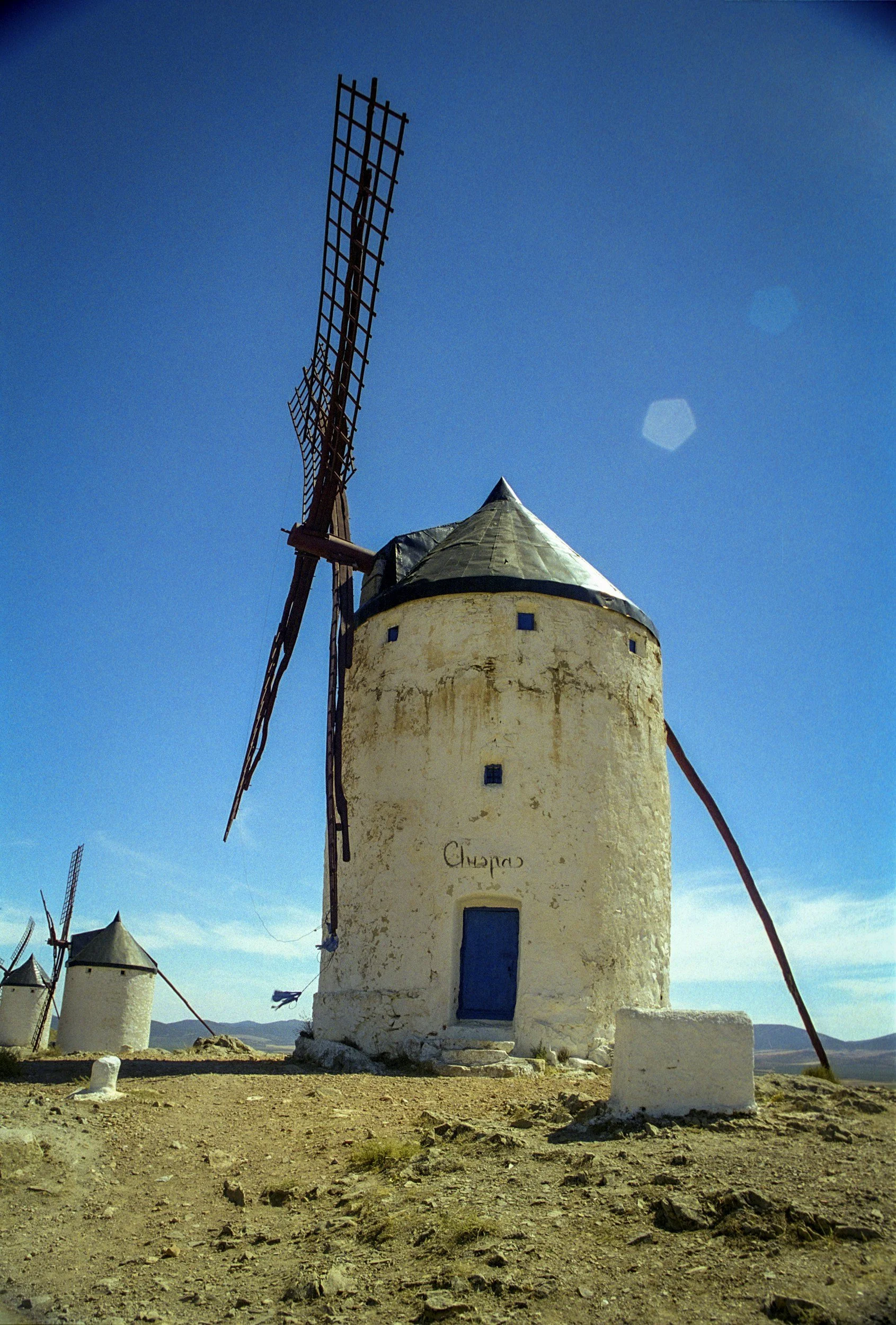
Our daily grind is sort of silly. Don Quixote, the foolish knight of Cervantes’s 17th century masterpiece, was silly, too. Modern readers still laugh at his wild-haired questing– a bit unmoored from reality – as Quixote on a broken-backed horse chases knightly fantasies. Yet there are instances where DQ and Sancho Panza pull off acts of true meaning, and even their biggest flops reflect human dignity.
There’s genius to the fool, it seems. (Just ask King Lear.) Quixote remains large in our collective consciousness because what radiates from his disordered, messy-feathered countenance is a spirit we cannot locate in our own. He’s big-hearted, grandiose and entirely unselfconscious.
Perhaps Quixote appears foolish to us because of who we are. Thoreau coined the phrase “quiet desperation” to describe the lives of his fellow Concord citizens slaving at their jobs with taciturn faces. (Days become weeks, became months, years, decades etc. and then dust to dust with little to show for it…)
In my role as a young advisor, when kids dropped by and asked how to get through tough times, I’d share what I knew about the grind– or what I thought they should know about grit– or what they must do to push through. To tell the truth, most of these conversations were disappointing, and you could see it in their eyes.
But what about Don Quixote? He presents an enticing alternative, however foolish-seeming. Here is a man whose dreams and fantasies are deadly serious and he acts upon them in real ways.
These days, it's wildly evident that some adults are no longer up for the challenge. They don’t want to grow up, or perhaps they just don’t know what it means. An increasing number, young and not so young, hide from life in fantastic ways. They avoid the fears and discomfort of commitment at the expense of living, and their avoidance only delays the eventual, inevitable reckoning of time.
So, what does Don Quixote really know of life and its meaning other than that he chooses to stick around?
What is it that keeps him coming back after repeated public humiliations, bruisings and defeats?
We know that humans find and seek states, which Jung called numinous, charged with noetic meaning and with passion-– however fleeting, fantastical or hard to define. These states offer something felt and charged with meaning, sometimes but not always pleasurable. Often we conflate these states with hedonistic pleasure, but there is a difference.
This felt, numinous energy is a north star that guides us through the foggy thickets of life. It’s imbued with a sense of meaning, however inexplicable. Unconsciously, we orient to it and seek to return to it if we can. If we can weld this energy to our felt experience with greater consciousness, there is potential for joy and purpose in all that we do. Camus imagined Sisyphus happy with his boulder and his hill. Don Quixote was happy, too. (And even, for a moment on the heath, was Lear.)
We don’t need as much as we think we do.
Happy holidays!